


Aluminum CNC Machining: How to Choose a Suitable Aluminum Alloy
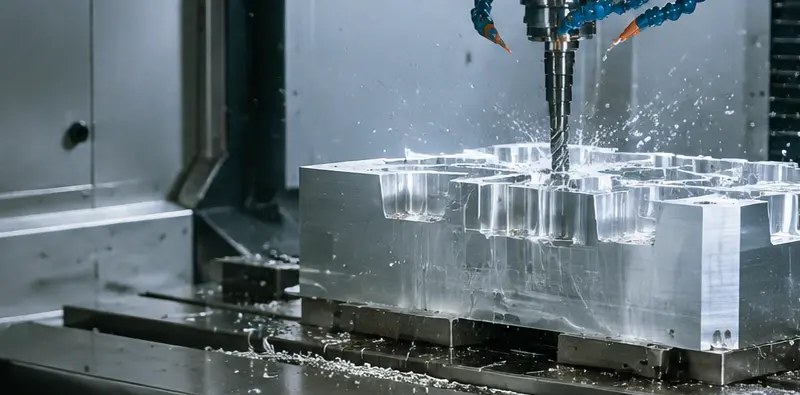
The selection of materials for CNC machining of aluminum alloys should not only consider strength, price, or a single parameter, but should be based on a comprehensive judgment of multiple factors, including material properties, load mode, working environment, part structure, tolerance requirements, temperature, material condition, surface treatment, machining risks, and total cost of the finished product, according to the actual use requirements of the part.
Table of Contents
- Why Aluminum Alloy Works Well for CNC Machining
- How to Choose a Suitable Material for Aluminum CNC Machining
- Why Material Temper Is Also Important in Aluminum CNC Machining
- Common Aluminum Grades for CNC Machining
- Aluminum Materials for CNC Machining: Simple Comparison
- Industries and Uses for Aluminum CNC Machining
- Common Surface Finishes for Aluminum CNC Machining
- How REKO Supports Aluminum CNC Machining Projects
- Common Questions About Aluminum CNC Machining
Choosing a suitable aluminum alloy has a direct effect on the strength, weight, machining difficulty, size stability, surface result, service life, and final cost of CNC parts. In a real project, one aluminum alloy cannot fit every part. The key is to match the material with the part use, machining needs, and budget.
6061 suits many general CNC parts. 7075 suits light structures with high strength needs. 2024 suits parts under repeated loads. 5052 focuses on corrosion resistance and forming. 6082 suits industrial structure parts. 2011 suits small precision parts for high-speed cutting.
This guide looks at material properties, work environment, part design, material Temper, surface finish, and total cost. It can help you compare common grades and know what to check before aluminum CNC machining starts. You can also visit the REKO aluminum material page to see aluminum options for CNC machining.
If you already have a 2D drawing or 3D model, but you are not sure whether to use 6061, 7075, or another aluminum alloy, you can send the project files to REKO. We can review the part design, quantity, key tolerances, surface finish, and use of the part for manufacturability.
Key point: A suitable aluminum alloy is not always the one with high strength or a high price. It is the one that fits the real use of the part.

Why Aluminum Alloy Works Well for CNC Machining
In aluminum CNC machining projects, aluminum is a common metal material. It has low weight, useful strength, good machining, corrosion resistance, and many surface finish choices. It is used in cars, motorcycles, robots, automation equipment, aerospace, medical equipment, electronics, and industrial machines.
Low Weight with Useful Strength
Aluminum has low density, while steel has high density. Many aluminum alloys still give useful structure strength. When a part needs low weight and enough stiffness, aluminum is often a practical choice. Common uses include machine brackets, housings, mounts, robot parts, car and motorcycle parts, automation parts, and light aerospace structure parts.
For moving parts, low weight can also reduce inertia and help equipment run well.
Good Machining
Many common aluminum alloys can support high-speed cutting. With suitable tools and machining settings, material can be removed quickly. Cavities, holes, threads, slots, curved surfaces, thin walls, and complex faces can also be made. This makes aluminum suitable for CNC milling, CNC turning, and 5-axis machining.
However, saying that aluminum is easy to machine does not mean every aluminum part is easy to make. Thin walls, deep cavities, long overhangs, large material removal, and strict position tolerances can still cause bending, tool vibration, or unstable sizes.
Good Heat Transfer
Aluminum can transfer heat well, so it is often used for heat sinks, battery parts, power housings, LED lighting parts, electronic housings, control system parts, and cooling plates. CNC machining can also make cooling fins, cooling channels, sealing faces, and flat contact faces, so the part can meet heat and assembly needs at the same time.
Corrosion Resistance and Many Surface Finish Choices
Aluminum alloys can use anodizing, hard anodizing, sandblasting, polishing, chemical conversion coating, painting, and powder coating. This makes aluminum useful for industrial parts that focus on function and for products that also need a good look.
How to Choose a Suitable Material for Aluminum CNC Machining
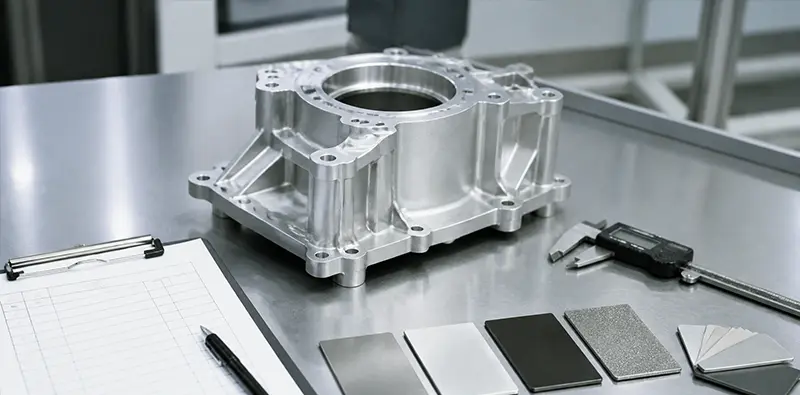
When choosing a material, do not start with the question, “Which aluminum alloy should I choose?” Start with, “What does this part need?” Material choice should look at load, work environment, part design, tolerances, surface finish, quantity, and total cost.
Strength and Load Needs
First, confirm the load on the part. An electronic housing and a robot joint under a high load have different strength needs. If 6061 can meet the real load need, using 7075 may not add useful value. It may add raw material cost and surface protection cost.
The goal of material choice is to meet the needed performance, not to chase a high strength level.
Repeated Loads and Fatigue
Some parts do not fail because of one large load. They can have fatigue problems after long-term vibration, bending, or repeated loads. Aerospace connectors, transport structure parts, moving robot parts, car machine parts, and parts with frequent motion all need attention to fatigue and real load direction.
Work Environment
Before choosing a material, confirm if the part will stay outdoors for a long time, touch water, salt spray, oil, or chemicals, work under high temperature or large temperature changes, or stay in contact with other metals. High strength does not always mean good corrosion resistance. For marine, outdoor, or wet areas, corrosion resistance and surface protection can be key needs, not only strength.
Part Design and Tolerances
Thin walls, deep cavities, long holes, large material removal, tight fits, flatness needs, and position needs can affect machining stability. For thin-wall parts, uneven material removal, clamping, and inner stress release can cause bending.
For complex aluminum CNC parts, choosing the right grade is not enough. Tool paths, clamping, machining order, and key size design are also important.
Surface Finish
If a part needs anodizing, sandblasting, polishing, or coating, it is good to confirm this before machining. Surface finish can affect hole size, threads, fit gaps, surface color, surface roughness, electrical areas, and sealing faces.
For anodized parts that need the same look, material grade, material batch, and surface preparation can all affect the final color.
Total Cost, Not Only Material Price
Raw material price is only one part of the total CNC part cost. The final quote also depends on machining time, tool life, number of setups, material use, surface finish, inspection work, scrap risk, quantity, packing, and shipping.
A material may have a high buying price, but good machining speed and low machining risk can still give a fair final part cost. The total cost of making one accepted part is a key point, not only the price of the raw material.
Why Material Temper Is Also Important in Aluminum CNC Machining
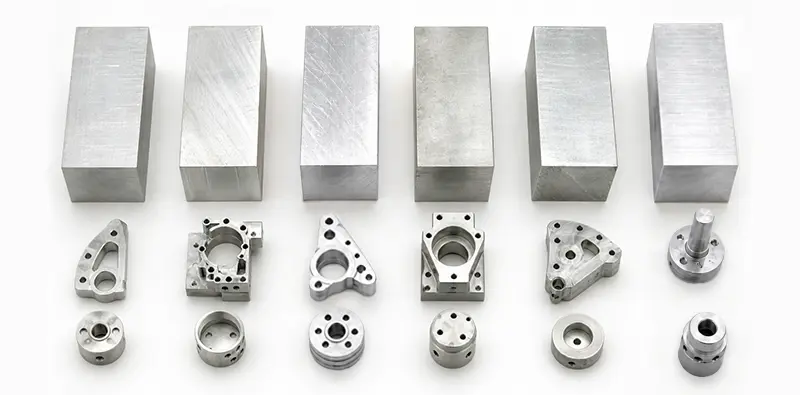
A common issue in aluminum material choice is writing only the grade without the material Temper. For example, writing only “6061” may not give enough information. A real project may use 6061-T6, 6061-T651, 7075-T6, 7075-T651, 2024-T3, or 6082-T6.
In aluminum CNC machining, T6, T651, and T3 show different material Tempers. Temper can affect strength, hardness, inner stress, size stability, and the risk of bending after machining.
For parts with large material removal, or parts with strict flatness and size stability needs, the project should confirm the exact Temper and raw material form, not only “6061 or 7075.” Before an order starts, the drawing should show Alloy + Temper + Material Form when possible, not only “Aluminum.”
Common Aluminum Grades for CNC Machining
The six grades below can cover many aluminum CNC prototype, small-batch, and production projects. Each material has clear strengths and limits. The final choice should also check Temper, raw material form, supply, and real project needs.
6061: A Balanced Choice for General Projects
6061 is a common aluminum alloy for CNC machining. It gives a good balance of machining, medium strength, corrosion resistance, surface finish options, material supply, and cost. It suits machine brackets, CNC housings, mounting plates, automation parts, fixtures, sensor housings, electronic parts, and common structure parts for cars and motorcycles.
If a project does not have special strength or corrosion needs, 6061 is often a good starting material. It is also often used for parts with sandblasting and anodizing.
7075: High-Strength, Light Parts
The main value of 7075 is its high strength-to-weight level. It is often used for aerospace structure parts, drone parts, racing parts, machine parts for demanding use, robot joints, and high-load connectors. When a part needs low weight and must carry a high machine load, 7075 can be a useful choice.
7075 does not fit every project. Its cost is often high, and its natural corrosion resistance is limited. For common housings, covers, or low-load brackets, 7075 may give strength that the part does not need.
2024: For Parts with Fatigue Needs
2024 has high strength and good fatigue performance. It is often used in aerospace and transport work, including aircraft structure parts, connectors, structure plates, and machine parts under repeated loads.
If a part stays under vibration or repeated loads for a long time, static strength alone may not be enough for material choice. 2024 has limited natural corrosion resistance, so surface protection should also match the work environment.
5052: Corrosion Resistance and Forming
5052 has good corrosion resistance and good forming ability. It is often used for outdoor equipment, marine parts, battery boxes, covers, panels, and sheet metal structures.
5052 can be CNC machined, but the material is soft. Complex precision machining needs care with cutting settings and tool condition. If the project focuses on complex CNC machining instead of sheet metal forming, 6061 is a common choice.
6082: For Industrial Structure Parts
6082 is common in Europe and in industrial equipment. It has high strength, good corrosion resistance, and good machining. It is often used for industrial machine structures, load brackets, machine frames, transport parts, and large mounting plates.
If 6061 cannot meet the strength need and the project still needs a 6000-series aluminum alloy, 6082 can be checked. If the part needs the same color after decorative anodizing, check a real finish sample before production.
2011: For Small Precision Parts with High-Speed Cutting
One main value of 2011 is good cutting. It can form short and clean chips, so it suits small shafts, pins, connectors, threaded parts, and precision turned parts. In CNC turning projects with large quantities, its machining ability can help reduce the machining time for each part.
2011 has limited corrosion resistance and welding ability, so it is not often used as a general structure material. If the project has RoHS, REACH, or other material rules, confirm the material standard and document needs during material choice.
Aluminum Materials for CNC Machining: Simple Comparison
The table below can be a starting point for aluminum material choice, but it cannot replace final engineering review. Material Temper, wall thickness, load direction, raw material form, and surface finish can all change the real machining result.
| Grade | Strength Level | Machining | Corrosion Resistance | Main Uses |
|---|---|---|---|---|
| 6061 | Medium | Good | Good | General parts, housings, fixtures, brackets, anodized products |
| 7075 | Very high | Good | Fair | Aerospace, drones, racing, light parts under high loads |
| 2024 | High | Good | Limited | Aerospace and transport structure parts under fatigue loads |
| 5052 | Medium | Fair for CNC; good for forming | Very good | Marine covers, outdoor housings, panels, battery boxes |
| 6082 | High | Good | Good | Industrial frames, transport parts, load brackets |
| 2011 | Medium | Very good | Limited | Connectors, pins, shafts, threaded parts in large quantities |
Quick guide: choose 6061 for balanced needs; 7075 for high strength; 2024 for repeated loads; 5052 for corrosion resistance and forming; 6082 for industrial structures; and 2011 for high-speed precision cutting.
When two grades both look suitable, also check total part cost, work environment, exact Temper, and raw material supply. These points can give useful project information beyond one value on a material data sheet.
If you want to see aluminum materials that REKO can support, visit the Aluminum CNC Machining Materials page for details.
Industries and Uses for Aluminum CNC Machining
In aluminum CNC machining, the industry name alone cannot decide the material grade, but it can help find the main project risks. The uses below can be a guide for material choice and design review.
Aerospace and Drones
Aerospace parts often need low weight, high strength, and good fatigue performance. 7075 suits load brackets, frames, and drone structures. 2024 suits parts under repeated loads. 6061 suits housings, test fixtures, and common supports. For aerospace aluminum CNC machining, confirm material records and key inspection items before production.
Cars and Electric Vehicles
6061 is widely used for sensor housings, mounts, cooling plates, and common brackets. 6082 can be used for structure parts with high strength needs, and 7075 can be used for racing or demanding parts. For electric vehicle aluminum CNC machining, heat transfer, battery gaps, sealing faces, and strength are all important.
Robots and Automation
Robot arms, grippers, fixtures, and sensor brackets can use light parts with accurate hole positions. 6061 suits many general parts. 6082 suits frames with high strength needs. 7075 can help keep moving parts light under high loads. Aluminum CNC machining can also support design changes without costly molds.
Electronics and Communication Equipment
Electronic housings need clean openings, flat contact faces, and good heat transfer. 6061 is a common choice for machined housings and heat sinks. 5052 suits formed covers and panels. 2011 suits small connectors. These projects also need plans for uncoated grounding areas and accurate connector openings.
Medical and Lab Equipment
Medical and lab equipment often needs accurate mounting, clean surfaces, and reliable assembly. 6061 is widely used for instrument housings, brackets, optical mounts, and test fixtures. For medical aluminum CNC machining, key sizes, cleaning needs, and material records should be clearly marked.
Marine and Outdoor Equipment
5052 has good corrosion resistance and suits covers and panels. 6061 suits precision brackets and housings. 6082 suits heavy structure parts. Marine aluminum CNC machining should also consider drainage, sealing, fastener materials, and galvanic corrosion.
Industrial Machines and Energy Equipment
6061 and 6082 are often used for machine frames, fixtures, motor mounts, battery parts, and controller housings. 2011 suits small repeat-production parts. 7075 can help keep weight low when high strength is needed. For industrial aluminum CNC machining, repeatable results and stable material supply are key points when choosing a material grade.
Consumer and Premium Products
Visible parts need good color, smooth edges, and even assembly gaps. 6061 suits camera parts, audio housings, sports equipment, and premium control parts. Sandblasting and anodizing can make a clean matte look, but it is good to confirm a finish sample before production.
Common Surface Finishes for Aluminum CNC Machining
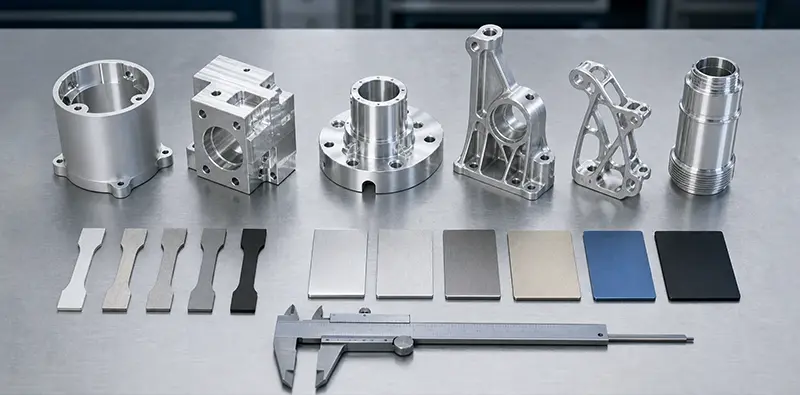
Surface finish can improve protection, wear resistance, and appearance, but it can also change part size. Surface finish should be included in the aluminum CNC plan from the start of the project.
Anodizing
Anodizing makes a controlled oxide layer and can add color. It is often used for 6061 housings, panels, and consumer products. Hard anodizing makes a thick and hard surface layer for wear areas. For parts with tight tolerances, coating thickness should be planned around holes, threads, and fit areas.
Sandblasting
Sandblasting can make an even matte texture and is often done before anodizing. It can make light tool marks hard to see, but it cannot hide dents or poor machining. The base CNC surface still needs to be clean and stable.
Polishing
Polishing can make a bright decorative look. It suits display parts, lighting products, and premium housings. Small edges and thin walls need careful work because polishing can change their shape. Material grade and the starting surface can affect the final look.
Chemical Conversion Coating
Chemical conversion coating can give light corrosion protection and keep some electrical conductivity. It suits communication housings, aerospace parts, and grounding areas. The film is thin, so its effect on part size is small.
Painting and Powder Coating
Painting and powder coating can add color and strong protection from the environment. They suit large housings, machine panels, and outdoor products. The coating film can be thick, so threads, sealing faces, and tight-fit areas may need masking. For aluminum CNC projects with strict assembly needs, final size inspection should use the finished parts after surface treatment, not only the machined size before treatment.
How REKO Supports Aluminum CNC Machining Projects
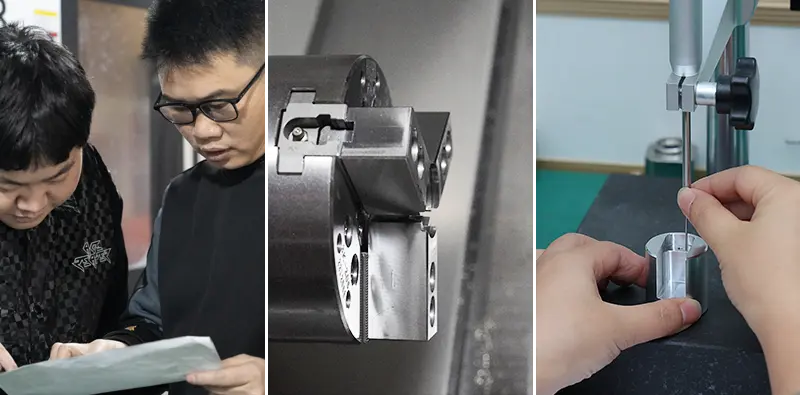
REKO supports prototypes, small batches, and production parts through CNC milling, turning, and multi-axis machining. Project review does not only ask, “Can this part be machined?” It also checks material, part design, surface finish, and inspection needs to help reduce later production risks.
Material and Use Review
Before machining starts, REKO can help customers compare 6061, 7075, 2024, 5052, 6082, and 2011 based on industry, work environment, load, surface finish, and quantity.
Design for Manufacturability Review
A DFM review can find thin walls, sharp inner corners, hard-to-machine holes, and tight tolerances that are not needed. Suitable design changes may reduce machining time, support stable production, and reduce risk.
Surface Finish and Key Feature Planning
REKO can plan anodizing, sandblasting, polishing, chemical conversion coating, painting, or powder coating together with machining sizes. Key threads, electrical contact areas, and sealing faces can be masked or controlled as needed.
Inspection and Production Planning
Important sizes, material documents, and inspection records should be confirmed before production. For repeat aluminum CNC orders, stable material supply and clear acceptance rules can help keep results consistent.
For a useful review, please provide a 2D drawing or 3D model, part use, quantity, key tolerances, surface finish, and target lead time when possible. You can also check REKO's Aluminum CNC Machining Material Options first, then choose the grade and Temper based on project needs.
Common Questions About Aluminum CNC Machining
Which Aluminum Alloy Is Suitable for CNC Machining?
For many general parts, 6061 is a good starting point because it gives a balance of machining, strength, corrosion resistance, supply, and cost. The final grade still depends on load, environment, part design, and surface finish.
Is 7075 Always a Good Choice Instead of 6061?
Not always. 7075 has high strength, but its cost is often high and its natural corrosion resistance is limited. 7075 can be checked for high-load, light parts. 6061 can suit general projects that need a balanced set of properties.
Which Aluminum Alloy Suits Outdoor or Marine Parts?
5052 suits covers and panels that need corrosion resistance. 6061 suits precision brackets and housings. 6082 suits structure parts with high strength needs. Surface protection and fastener choice are also important.
Which Aluminum Alloy Has Good Machining?
2011 has very good machining for small precision parts. 6061 also has good machining and suits many aluminum CNC projects.
Can Aluminum CNC Parts Be Anodized?
Yes. Many aluminum alloys are often anodized, especially 6061. Color and appearance can change with the grade, batch, and surface preparation. For tight-tolerance features, coating thickness must be considered.
Should Prototypes Use the Final Production Material?
When test results depend on strength, weight, heat transfer, fatigue, or surface look, use the final production material when possible. A different prototype material can give results that do not match production.
What Information Is Needed for a Quote?
Please provide a drawing or model, known material grade, quantity, key tolerances, surface finish, application, and material document needs. REKO can use this information to review the aluminum CNC plan and give practical suggestions.
How Do You Choose a Suitable Aluminum Alloy?
If you are checking 6061, 7075, 2024, 5052, 6082, or another aluminum alloy, start with these questions:
· What load must the part carry?
· Will the part have long-term vibration or repeated loads?
· Will the part work in a wet area, outdoors, or in salt spray?
· Which sizes affect assembly and function?
· Does the part need anodizing or another surface finish?
· Does the part have thin walls, deep cavities, or large material removal?
· Does the material Temper need to be stated?
· What is the quantity?
· Are material documents or size inspection reports needed?
· Which plan gives a fair total part cost?
For many general CNC parts, 6061 is a balanced choice. For high strength and low weight needs, 7075 can be checked. For repeated loads and fatigue needs, 2024 can be checked. For corrosion resistance and forming needs, 5052 can be checked. For industrial load structures, 6082 can be checked. For small precision parts with high-speed cutting, 2011 can be checked. No aluminum alloy can fit every project. Material, Temper, part design, machining method, and surface finish should be reviewed as one full plan.
Next step: If you already have a 2D drawing or 3D model, you can send the project files to REKO. Please provide material, quantity, key tolerances, surface finish, and target lead time when possible. We can review material choice, manufacturability, and the CNC machining plan based on the part design and real use.
On-Demand Quality Manufacturing in China

99% Quality and service satisfaction

0.2% Shipment issue(good package)

Quick Responses & Effective Solutions

Real Factory welcome visit
REKO is a high-quality CNC machining factory from Shenzhen, China. It was established in 2016. We provide CNC turning, milling, five-axis machining and other services. We have long-term cooperative suppliers to provide customers with a variety of surface treatment processes including anodizing, electroplating, sandblasting, heat treatment and other services. Need CNC machining services? Contact us today for high-precision custom parts!