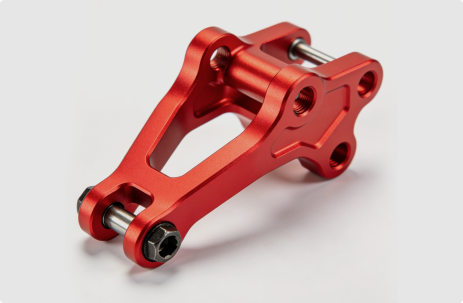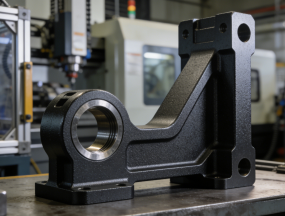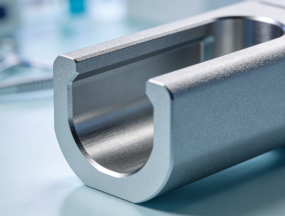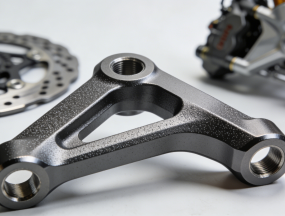


powder_coating_banner

Powder Coating Service for CNC Machined Parts

Powder coating creates a durable, decorative, and corrosion-resistant surface on metal parts.

What is Powder Coating?

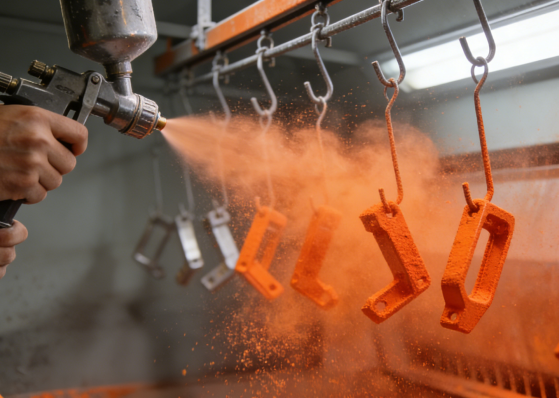
Powder coating is a dry finishing process that uses electrostatically charged powder to coat metal parts. After curing at high temperature, the powder melts and forms a high-strength, uniform, and protective coating. It is widely used in automotive, aerospace, industrial machinery, consumer electronics, and outdoor equipment.

Types of Powder Coating We Offer
Standard Powder Coating

Suitable for most industrial and consumer-grade parts, available in various RAL colors.

Textured Powder Coating

Creates unique patterns and hides machining marks.

High-Gloss / Matte Finish

Provides flexible visual styles depending on product needs.

Anti-Corrosion Powder Coating

Ideal for outdoor or harsh environments.

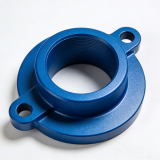
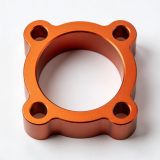
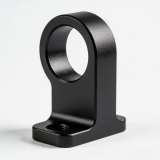
powder_coat_blue_component powder_coat_orange_component powder_coat_black_component
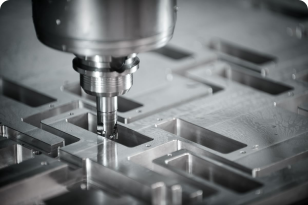
CNC Milling

CNC Milling

Utilizes rotating cutting tools for high-precision machining of flat surfaces, curves, and complex parts, ideal for mold making, aerospace, and automotive industries.

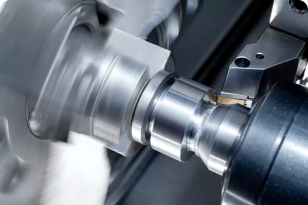
CNC Turning

CNC Turning

Uses rotating workpieces and cutting tools for efficient machining of cylindrical components, widely applied in shafts, discs, and precision parts manufacturing.

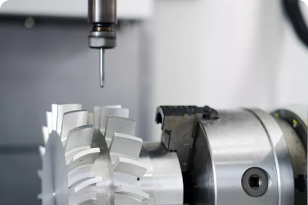
5 Axis Machining

5 Axis Machining

Enables multi-angle precision cutting, reducing setups and machining complex surfaces, perfect for high-end aerospace, medical devices, and precision mold manufacturing.

powder_coating_application

Technical Advantages of Powder Coating

Smooth & Uniform Finish

Powder flows and levels during curing for a consistent texture.

Excellent Corrosion Resistance

Protects metal surfaces from moisture, chemicals, and oxidation.

Strong Impact & Scratch Resistance

Ideal for parts requiring durability.

Environmentally Friendly

Contains no solvents or VOC emissions.

Wide Color & Texture Options

Available in RAL colors, matte, gloss, metallic, textured finishes.
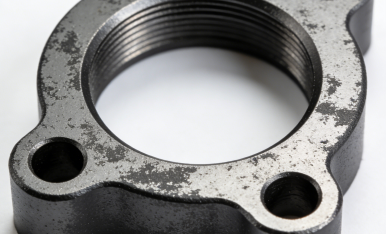
Common Powder Coating Defects

powder_coat_uneven_thickness
Uneven Coating Thickness

Occurs when powder is sprayed too thick or too thin due to unstable gun settings, inconsistent spray distance, or poor grounding. This results in uneven texture, patchy appearance, or areas with insufficient protection.

powder_coat_orange_peel
Orange Peel Texture

This defect appears as a bumpy surface similar to an orange peel. It is commonly caused by incorrect curing temperature, excessive powder thickness, moisture contamination, or low-quality powder.

powder_coat_pinholes
Pinholes

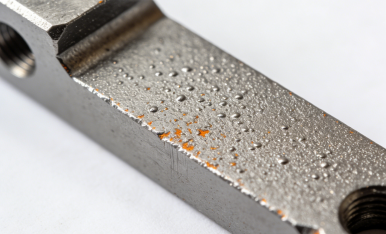
Tiny holes form when trapped air, oils, or solvent residues escape during curing. They compromise the coating's protective performance and surface aesthetics.

powder_coat_contamination
Contamination (Dust & Particles)

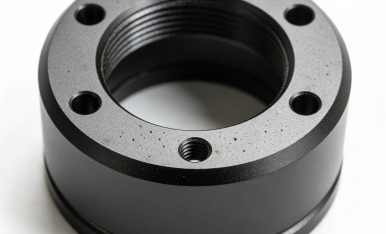
Foreign particles such as dust, fibers, or uncleaned machining residues adhere to the surface before spraying, resulting in bumps and defects on the final coating.

powder_coat_edge_build_up
Edge Build-Up

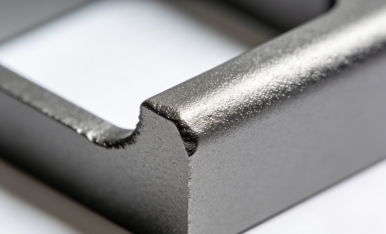
Powder naturally accumulates around sharp edges and corners due to electrostatic attraction, causing thicker coating and potential dimension deviations.

powder_coat_color_inconsistency
Color Inconsistency

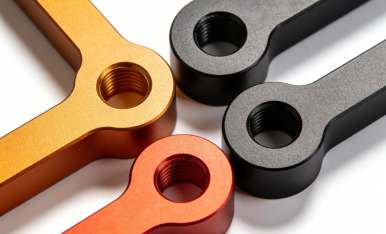
This occurs when powder batches differ, recycled powder mixes poorly, or spraying parameters fluctuate. It results in visible shade variation across the part surface.

Powder Coating Process Flow

01
Pretreatment – Degreasing & Cleaning
Removes machining oils, fingerprints, and contaminants to ensure strong coating adhesion.
Typical Parameters: Alkaline degreasing at 50–70°C for 5–8 min; DI water rinse.
Standards: In-house PAS-SOP-01;
powder_coat_pretreat_icon
02
Surface Preparation – Sandblasting (Optional)
Improves coating adhesion, removes oxidation, and creates uniform surface texture.
Typical Parameters: 60–90 PSI, #80–#120 abrasive.
Standards: In-house PAS-SOP-02;
powder_coat_sandblast_icon
03
Masking
Protects threads, bores, sealing faces, and critical tolerance areas from coating buildup.
Tools: High-temp masking tape, silicone plugs, caps, custom masking fixtures.
Standards: In-house PAS-SOP-03;
powder_coat_mask_icon
04
Powder Selection
Choose powder type based on performance and application: epoxy, polyester, hybrid, or textured finish.
Typical Options: RAL colors, matte/glossy, corrosion-resistant formulas.
Standards: In-house PAS-SOP-04;
powder_coat_powder_icon
05
Electrostatic Spraying
Powder is electrostatically charged and evenly applied to the grounded metal surface.
Typical Parameters: 60–90 kV electrostatic voltage; 15–25 cm gun distance.
Standards: In-house PAS-SOP-05;
powder_coat_spray_icon
06
Curing
Powder melts, flows, and chemically crosslinks to form a durable, protective finish.
Tools: Convection oven or infrared curing oven.
Standards: In-house PAS-SOP-06;
powder_coat_cure_icon
07
Cooling & Inspection
Parts cool naturally before handling; coating is checked for color, texture, adhesion, and surface defects.
Tools: Coating thickness gauge, inspection lights.
Standards: In-house PAS-SOP-07;
powder_coat_cool_inspect_icon

Applications & Industries

powder_coat_auto_part
Automotive Components

Delivers durable, corrosion-resistant coatings ideal for wheels, brackets, chassis parts, and under-hood components.

powder_coat_industrial_machinery
Industrial Machinery

Ensures long-lasting protection against abrasion, chemicals, and heavy-duty environments for machine frames, enclosures, and custom fixtures.

powder_coat_medical_part
Medical Equipment

Offers clean, biocompatible, and corrosion-resistant surfaces for instrument housings, mobility devices, and diagnostic equipment.

powder_coat_motorcycle_part
Motorcycle Components

Provides highly durable, scratch-resistant, and weatherproof coatings ideal for frames, swingarms, handlebars, foot pegs, engine covers, and custom aftermarket parts.

Design & Quoting Guidelines

powder_coat_part_drawing
Material Suitability

Applicable to aluminum, steel, stainless steel (with pretreatment).

Surface Roughness

Powder thickness may hide machining marks.

Masking Areas

Mark all precision surfaces and threaded holes.

Color Specification

RAL / Pantone supported.

Dimensional Sensitivity

Coating thickness 50–150 µm may affect tolerance.

Technical Specifications

Typical powder coating parameters for CNC-machined metal parts.

Parameter Typical Range Description
Powder Type Polyester / Epoxy / Hybrid Determines UV resistance, chemical durability, and application environment
Coating Thickness 50 – 150 μm Standard film thickness ensuring coverage, protection, and visual consistency
Curing Temperature 160°C – 200°C Required heat to melt, flow, and fully cure powder resin
Curing Time 10 – 20 minutes Ensures cross-linking for maximum hardness and adhesion
Surface Roughness Before Coating Ra 1.6 – 3.2 μm Ideal profile for mechanical bonding and long-term adhesion
Pre-Treatment Requirements Degreasing, sandblasting, chromate / phosphate (optional) Improves corrosion resistance and enhances coating adhesion
Adhesion Grade ASTM D3359: 4B – 5B Meets industrial standards for coating adhesion strength
Salt Spray Resistance 500 – 1,000 hours Typical corrosion protection after proper pre-treatment
Color & Gloss Range RAL colors, gloss 10–90 Wide choices for decorative and functional applications
Hardness 2H – 4H Typical cured coating hardness under pencil hardness test
Tips:

Polyester powder is recommended for outdoor and UV-exposed parts such as motorcycle components, bike frames, and outdoor equipment.
Epoxy powder offers superior chemical and corrosion resistance, ideal for industrial or indoor applications.

Request a Technical Evaluation

Send us your part files or design drawings. Our surface finishing experts will evaluate the part geometry, surface requirements, and production volume and recommend the ideal machining process for your CNC machined parts.

To learn more about our capabilities
Contact Us Today
Ready to Get started?
Request a quote today