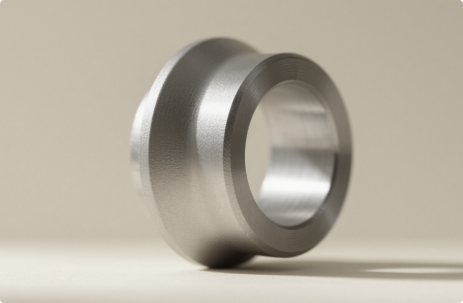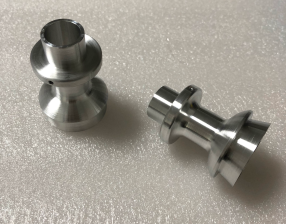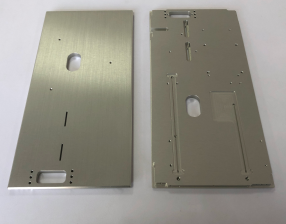


brushed_finish_banner

Brushed Finish Services for CNC Machined Parts

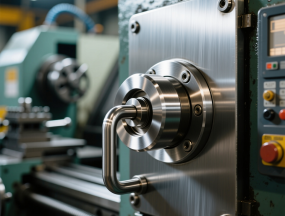
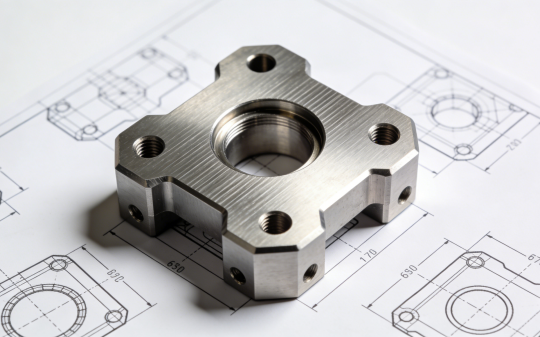
Our brushing process gives your parts a refined satin look while ensuring dimensional accuracy, repeatability, and exceptional visual appeal.

What Is Brushed Finish?

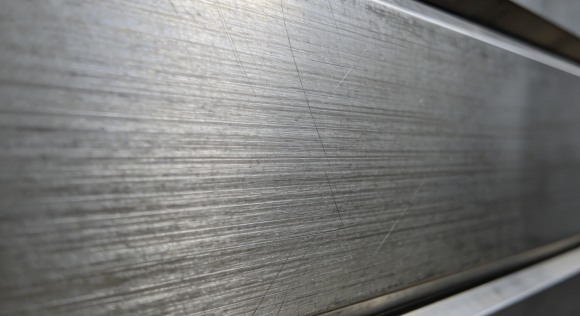
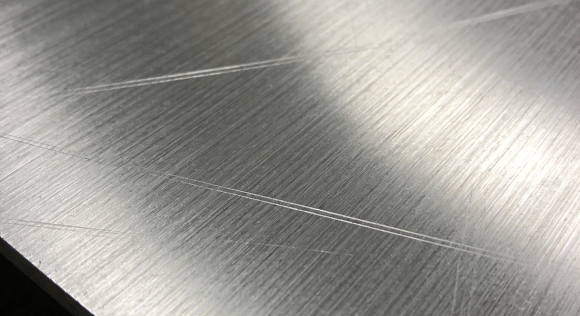
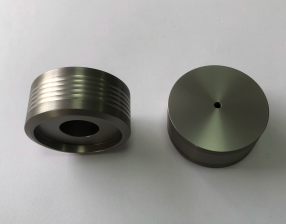
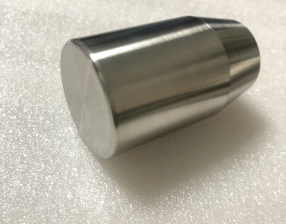
Brushed finish is a surface treatment that creates fine, consistent linear textures on metal surfaces by using abrasive belts or brushes. This process removes surface imperfections, improves appearance, and provides a satin-like, directional finish.

Key Benefits of Brushed Finish
  • Enhances aesthetic appeal with a uniform satin texture
  • Reduces visibility of minor scratches
  • Improves grip and touch feel
  • Allows multiple grain directions for design flexibility
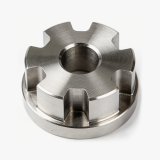
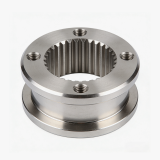
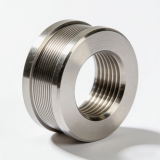
  • brushed_finish_part_1 brushed_finish_part_2 brushed_finish_part_3
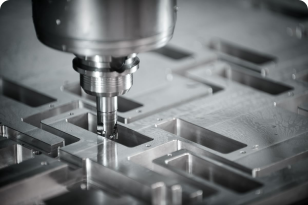
    CNC Milling

    CNC Milling

    Utilizes rotating cutting tools for high-precision machining of flat surfaces, curves, and complex parts, ideal for mold making, aerospace, and automotive industries.

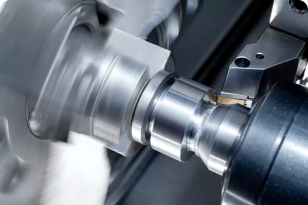
    CNC Turning

    CNC Turning

    Uses rotating workpieces and cutting tools for efficient machining of cylindrical components, widely applied in shafts, discs, and precision parts manufacturing.

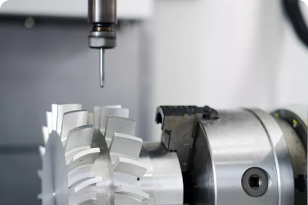
    5 Axis Machining

    5 Axis Machining

    Enables multi-angle precision cutting, reducing setups and machining complex surfaces, perfect for high-end aerospace, medical devices, and precision mold manufacturing.

    Types of Brushed Finish

    Type Features Applications
    straight_brushed_part Straight Brushed Most common type; consistent linear grain; uniform direction Consumer electronics, decorative trims, automotive panels
    cross_brushed_part Cross Brushed Grain formed by two perpendicular directions; stronger texture Industrial parts, functional components needing grip
    fine_satin_brushed_part Fine Satin Brushed Very fine grain; softer matte visual; premium appearance Luxury consumer products, medical device housings
    cd_circular_brushed_part CD Circular Brushed Circular "disc-shaped" pattern; strong visual highlight Knobs, rotary dials, control buttons
    random_brushed_part Random Brushed Irregular, non-directional grain; softer diffuse reflection Decorative hardware, appliance housings

    Common Defects & Prevention

    Typical brushing issues and how to avoid them.

    brushed_defect_uneven_grain

    Uneven Grain Lines

    Cause:Inconsistent brushing pressure or unstable feed rate

    Impact / Prevention:

  • Maintain constant pressure during manual or machine brushing
  • Stabilize feed speed to ensure uniform grain direction and thickness
  • Use fixtures for flat or curved surfaces to avoid hand-pressure variation
  • brushed_defect_cross_contamination

    Cross Contamination (Mixed Grain Direction)

    Cause:Part re-positioned incorrectly during multi-side brushing

    Impact / Prevention:

  • Mark brushing orientation before processing
  • Maintain a single, consistent brushing direction across all surfaces
  • Use rotary tables or guides to avoid misalignment
  • brushed_defect_over_brushing

    Over-Brushing (Excessive Grain Depth)

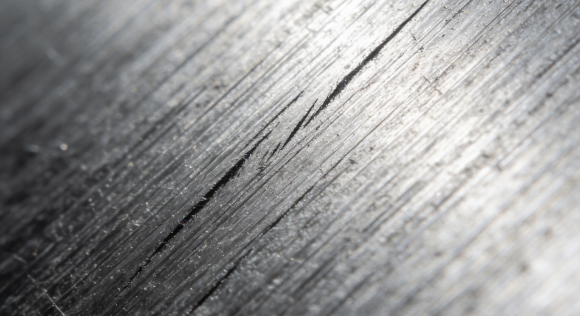
    Cause:Too low grit (#80–#120) or too slow feed causing deep scratches

    Impact / Prevention:

  • Choose appropriate grit according to surface finish requirement
  • Increase feed rate slightly to reduce aggressiveness
  • Use #240–#320 grit for decorative satin finishes
  • brushed_defect_surface_burnishing

    Surface Burnishing / Shiny Spots

    Cause:Excessive pressure causing the grain to flatten or shine

    Impact / Prevention:

  • Reduce pressure; allow abrasive belt to cut rather than compress
  • Replace worn abrasive belts regularly
  • Use cooling or lubrication for stainless steel to avoid heat spots
  • Brushed Finish Process Flow

    01
    Pre-Deburring & Surface Preparation
    Removing burrs, sharp edges, and machining marks to ensure uniform contact during brushing.
    Notes: Ensures stable brushing pressure and prevents random scratches.
    Standards: In-house BF-SOP-01;
    brushed_flow_pre_deburring
    02
    Surface Leveling (Initial Sanding)
    Flattening the surface using coarse abrasive belts to eliminate tool marks, end-mill patterns, and uneven areas.
    Notes: Provides a consistent base to achieve uniform grain texture.
    Standards: In-house BF-SOP-02;
    brushed_flow_surface_leveling
    03
    Primary Brushing Pass
    Applying controlled force and constant feed speed to create the initial linear grain pattern.
    Notes: Determines grain depth, direction, and overall texture quality.
    Standards: In-house BF-SOP-03;
    brushed_flow_primary_brushing
    04
    Fine Brushing / Grain Refining
    Using finer belts or brush wheels to refine the grain, improving the satin effect and surface smoothness.
    Notes: Achieves the final appearance and reduces micro-scratches.
    Standards: In-house BF-SOP-04;
    brushed_flow_fine_brushing
    05
    Cleaning & Degreasing
    Thorough cleaning to remove brushing dust, abrasive residue, and oils.
    Notes: Prevents contamination before storage or additional finishing.
    Standards: In-house BF-SOP-05;
    brushed_flow_cleaning_degreasing

    Applications & Industries

    brushed_application_automotive
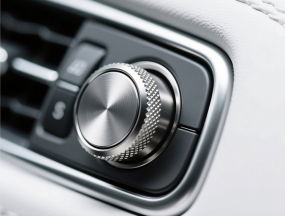
    Automotive Interior Components

    Applied on dashboards, trim panels, knobs, and decorative strips to deliver a refined matte metallic appearance.

    brushed_application_aerospace
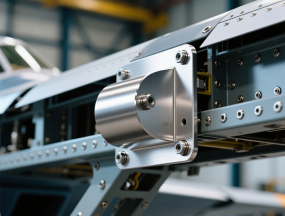
    Aerospace Brackets & Housings

    Provides consistent surface texture for structural and non-structural components, improving aesthetics and corrosion-resistance prep.

    brushed_application_medical
    Medical Device Enclosures

    Ideal for stainless steel and aluminum housings—clean matte texture, easy to sterilize, and resistant to visible fingerprints.

    brushed_application_industrial
    Industrial Components

    Used on machine covers, handles, and precision parts to achieve uniform grain and reduce glare in operational environments.

    dfm_brushed_design_part

    DFM Design Guidelines

    To achieve the best appearance:

    Avoid deep machining marks or tool chatter

    Maintain consistent surface flatness

    Large surfaces require uniform material removal

    Avoid sudden height transitions

    Prefer brushing direction parallel to longest side

    Technical Specifications

    Typical brushed finish parameters for CNC machined parts:

    Parameter Typical Range Description
    Abrasive Grit #80 – #600 Determines grain coarseness; lower grit = rougher texture
    Surface Roughness Ra 0.4 – 1.2 μm Roughness depends on grit selection & brushing speed
    Grain Depth Variable (controlled) Defined by abrasive grit and feed rate during brushing
    Brushing Direction Linear / Cross / Circular Grain pattern selected based on design & application
    Max Part Size Based on equipment capability Large flat surfaces may require wide-belt brushing
    Material Compatibility Aluminum / Stainless Steel / Steel / Brass Most metals suitable for mechanical brushing
    Tips:

    For parts requiring consistent aesthetics, maintain the same grit and brushing direction across all surfaces.
    For aluminum, finer grits (#320–#600) provide a premium satin finish.
    For stainless steel, coarser grits (#120–#240) are commonly used for visible grain.

    reko_brushed_finish_reception

    Why Choose REKO for Brushed Finish?

    10+ years experience in precision surface finishing

    Controlled brushing process ensures consistent texture

    Full inspection & traceability

    One-stop CNC machining + finishing

    Support for prototypes and mass production

    al6061_horizontal_brushed
    AL6061 Horizontal brushed
    stainless_steel_brushed
    Stainless steel brushed
    stainless_steel_304_brushed
    Stainless steel 304 brushed
    al6061_brushed
    AL6061 brushed

    Request a Technical Evaluation

    Send us your part files or design drawings. Our surface finishing experts will evaluate the part geometry, surface requirements, and production volume and recommend the ideal machining process for your CNC machined parts.

    To learn more about our capabilities
    Contact Us Today
    Ready to Get started?
    Request a quote today