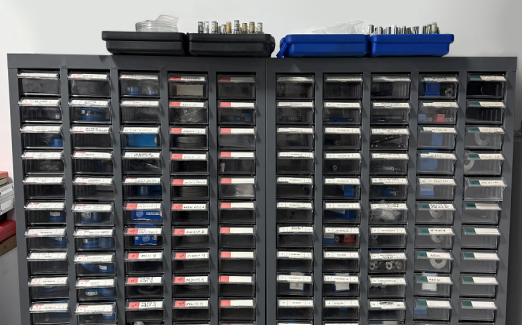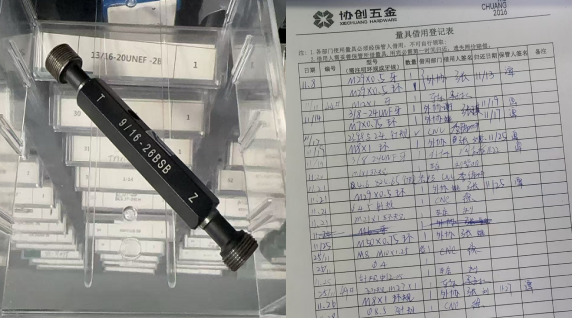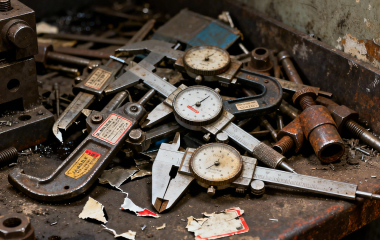
At REKO, gauge management is more than routine maintenance—it's the foundation of consistent machining quality. Every measuring tool is controlled through strict standards covering daily care, periodic calibration, classification, status identification, and end-of-life retirement.
gauge_management_storage_rack

Why We Implement Gauge Management

In precision machining, gauges are essential tools to ensure dimensional consistency, improve inspection efficiency, and reduce production risks.

A standardized gauge management system helps us:
  • Ensure stable dimensions and functionality, preventing batch defects
  • Improve inspection efficiency and shorten delivery time
  • Reduce rework and customer complaints caused by measurement deviation
  • Enable quality traceability and meet customer/industry standards
  • Extend gauge lifespan and reduce management costs
  • Inspection & Calibration Cycle

    Calibration is performed by certified third-party laboratories or qualified internal personnel.
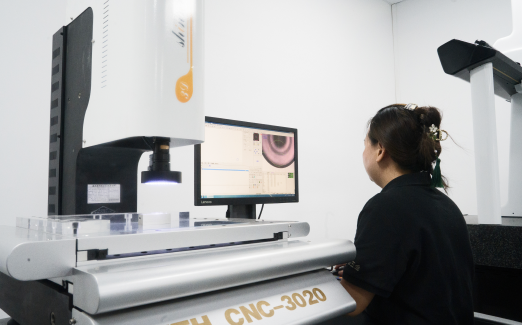
    To ensure accuracy, all gauges follow a defined calibration cycle:
  • General gauges (calipers, micrometers): every 6 months
  • Special gauges (custom fixtures, dedicated gauges): every 6–12 months
  • High-precision gauges (gauge blocks, ring gauges, plug gauges): every 3–6 months
  • Initial calibration required before first use
  • Early calibration required if deviations are detected
  • gauge_calibration_equipment_operation
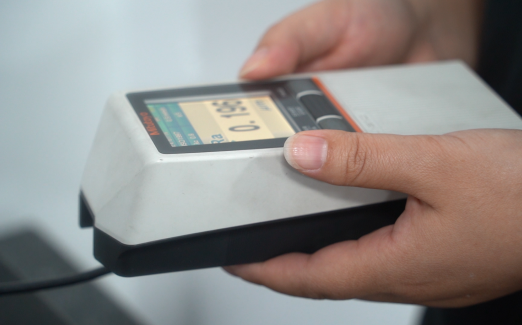
    gauge_management_handheld_device

    General Management Requirements

    To ensure standardization and traceability, we follow these requirements:
  • Establish a unified digital register
  • Assign responsible personnel for gauge management
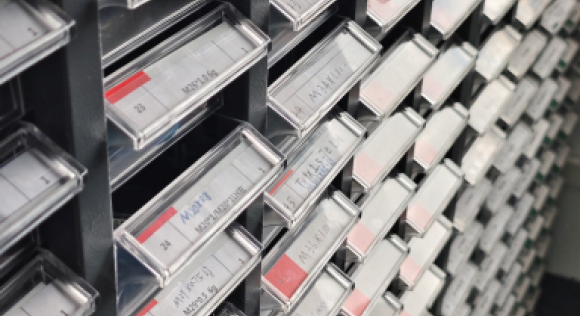
  • Standardized storage (dust-proof, anti-rust, anti-vibration)
  • Strict usage permissions and borrowing records
  • Immediate reporting and handling of abnormal gauges
  • Classification & Numbering Rules

    gauge_categories_measuring_device

    Gauge Categories

  • Measurement gauges:calipers, micrometers, indicators
  • Special gauges:custom gauges, positioning fixtures
  • Functional gauges:torque testers, pressure testers
  • gauge_numbering_format_storage

    Numbering Format

    Example:JG-2025-023-A
  • Category Code – Year – Serial No. – Status Code
  • Gage Management Standards

    gauge_management_borrow_record

    1. Quality department unified management.

    2. Production department needs to write an application form to borrow (self-inspection products during production process)

    3. Purchasing department needs to write an application form to borrow (give to oxidation plant for inspection)

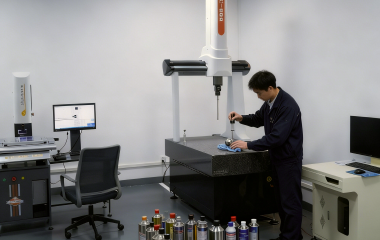
    4. 3D and 2.5D are calibrated once a month. (calibrated by internal staff)

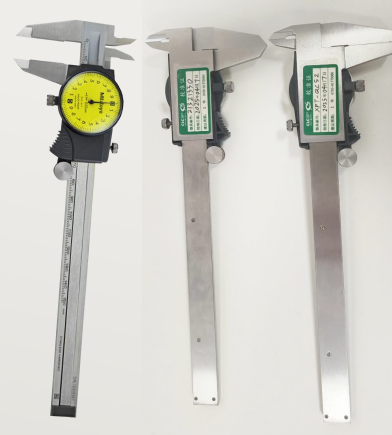
    5. Calipers are calibrated once a year (calibrated by third-party inspection company)
    Roughness Meter
    Caliper
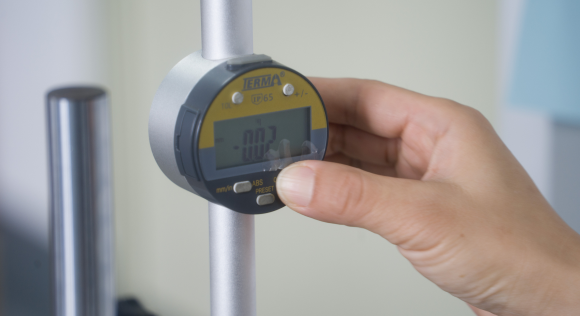
    Height gauge
    Digital micrometer
    Thread Gauge
    calibrated_caliper_measuring_tools caliper_calibration_certificate

    Third-party inspection of measuring tools

    At REKO, all precision measuring tools are sent to certified third-party laboratories for regular calibration to ensure accuracy, reliability, and traceability. Each tool is managed under a strict calibration cycle to prevent measurement deviation and maintain consistent quality standards.

    Measuring Tool:Caliper

    Brand Name:MITUTOYO

    Calibration Frequency:Once per year

    This caliper will receive a complete calibration report and certification, and the results will be recorded in our measurement tool system for traceability.
    Maintenance & Retirement Criteria

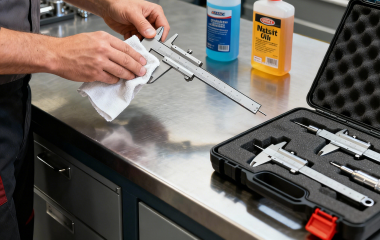
    gauge_daily_maintenance_operation

    Daily Maintenance

  • Clean and store properly before/after use
  • Avoid dropping or improper handling
  • Store in anti-rust, dust-proof, shock-proof areas
  • gauge_periodic_maintenance_cleaning

    Periodic Maintenance

  • Inspect wear, clearance, and precision
  • Apply rust protection as required
  • Verify positioning accuracy for special gauges
  • gauge_retirement_scrapped_tools

    Retirement Criteria

    A gauge must be retired if any of the following apply:

  • Calibration fails and cannot be repaired
  • Precision cannot meet requirements
  • To learn more about our capabilities
    Contact Us Today
    Ready to Get started?
    Request a quote today